For crunch
Cucumber, fennel, apple—raw on top of warm bowls.

Fewer items in the cupboard, more combinations on the plate—grains, beans, vegetables, and sauces you will actually use.
Barley, bulgur, spelt pasta, rye bread, and oats cook differently and taste different. Barley is good in soup and salad; bulgur is ready in minutes; spelt pasta works with pesto; oats are not only for breakfast—savoury oats with mushrooms make a filling dinner.
Cook a double portion on a quiet evening and freeze it flat in a bag with the date. Next week you reheat grain instead of starting from scratch. Whole grains also keep you full longer, so you may need less heavy sauce on the plate.
Chickpeas, brown lentils, and black beans give you creamy or firm textures. Rinse canned beans to reduce salt. Dried lentils cook in about twenty minutes with a bay leaf for salads. Mix beans with a little fish, egg, or yogurt rather than eating the same protein every night.
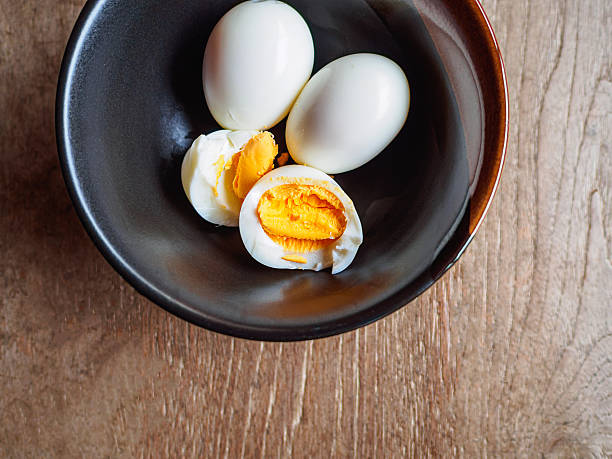
Skyr and kefir add protein and a tangy taste for sauces. Eggs are the fastest option—boiled for lunch, fried on rice, or in a vegetable omelette.
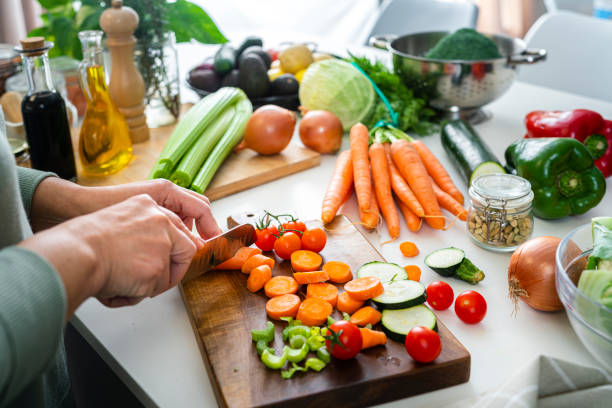
Winter: kale, chicory, leek, beetroot, celeriac—roast or slice raw with sharp dressing. Spring: asparagus, radish, spinach—steam or eat raw. Summer: tomato, courgette, beans—grill or marinate. Autumn: pumpkin, cabbage, pear—good for soup and tray-bakes.
Frozen peas, spinach, and green beans help when fresh time is short. Sauerkraut adds tang in winter. Herbs on the windowsill count as fresh flavour even in a small flat.
Cucumber, fennel, apple—raw on top of warm bowls.
Carrot, parsnip, beet—one tray with oil and spices.
Miso, mustard, capers, preserved lemon, and good olive oil let the same rice feel Mediterranean one day and Asian-inspired the next. Lemon and vinegar brighten heavy plates. Toast nuts and seeds briefly—they add crunch and richness.
Fresh fruit or a piece of dark chocolate is enough for dessert without baking. Rotate fruit through the week: citrus, berries, apples and pears.
These ten items cover most weeknight meals in a Dutch kitchen. You are not locked in—rotate brands and shapes—but keeping this core list short makes shopping faster and variety easier to manage.
Cupboard basics
Fridge & freezer
Add each week (rotation)
Print this list or save it in your phone notes. Tick items as you shop—everything else is optional and can wait until your routine feels steady.
Trying more foods is easier when storage and prep stay predictable. These tips support everyday variety in a Dutch home kitchen—they do not replace advice from a doctor or dietitian.
Shopping & labels
Storage at home
While you cook