
What we provide
Free articles (meal swaps, shopping lists, quick dinners), email/phone answers to general questions, and bookable sessions about meal planning habits.
Amsterdam · meal variety
Everyday meal variety ideas & consultations in Amsterdam
Washcleanse.world helps adults in the Netherlands plan more varied home meals—through free articles on this site and optional paid conversations about shopping and cooking habits.
You do not need a perfect menu. A short shopping list, a few cupboard staples, and two or three quick dinner patterns are enough. We do not promise weight changes or health outcomes—only practical support to eat a wider range of everyday foods.
Contact us Explore meal ideas
Who we are and what this site offers
Washcleanse.world is operated from Herengracht 377 A, 1016 BC Amsterdam, Netherlands (KvK registration 55769721). We publish practical content about varying everyday meals and offer optional consultations and small workshops for adults who cook at home.
What we do not provide
Medical care, diagnosis, treatment, personalised diet therapy, weight-loss programmes, sale of food supplements, or emergency nutrition advice.
Pricing
Website content is free. Consultations and workshops are paid services—price, duration, and format are confirmed in writing before you book. No hidden subscription on this site.
Your responsibilities
You choose what to eat and buy. For allergies, pregnancy, diabetes, or other conditions, follow advice from your doctor or registered dietitian (Voedingsdeskundige).
Read our Privacy Policy, Cookie Policy, and Terms of Use. Questions: contact page or touch@washcleanse.world, +31 6 24270973.
Why it helps to change what you eat
Many people eat the same breakfast all week or cook one dinner three nights in a row. That is normal when work runs late. Eating more variety means spreading different grains, proteins, vegetables, and flavours across the week—not chasing every new product you see advertised online.
Barley and rice are not the same; lentils and fish feel different on the plate; kale and carrots bring their own crunch. When you rotate within these groups, you naturally eat a wider range without counting every bite.
Try one small change a day: spelt pasta instead of white pasta, a pear instead of an apple, or spinach plus green beans at dinner. Note on your phone what you enjoyed and would cook again. After two weeks you will see what you repeat without thinking.
In a small Amsterdam kitchen, keep a short list on the inside of a cupboard door. Serve new vegetables with a sauce you already like—yogurt-mustard, lemon oil, or chili on rice—so trying something new feels easy, not stressful.
- Change one item on your shopping list each week, not the whole cupboard at once.
- Keep two types of grain and two proteins at home so dinners do not all look the same.
- Repeat meals you liked, but swap the vegetable or side next time.
A simple plan for the week
Group foods into five types: whole grains, protein (meat, fish, eggs, beans), vegetables, fruit, and extras for taste (oil, herbs, nuts, yogurt). Give each day a focus so you do not eat the same type four times. For example: Monday grain-based lunch, Tuesday fish or tofu, Wednesday extra vegetables, Thursday fruit on the side, Friday a bowl with herbs and sauce.
On market days, pick fresh herbs and seasonal roots. In the supermarket, frozen peas and berries fill gaps. Write your plan on a sticky note. Shop for the next two days only—you buy less and waste less.
- Write what you usually cook; mark each meal as grain, protein, or veg focused.
- Circle anything that repeats too often and choose one food to swap next week.
- Add one new grain, one bean or lentil, and one vegetable from the shop.
- Keep a quick backup: eggs, frozen vegetables, and cooked rice or barley in the freezer.
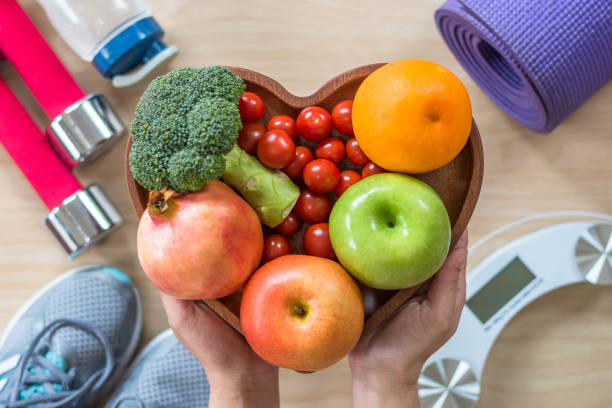
Use colour to see if your plate is varied
Look at your plate before you eat. If everything is beige or white, add something green, orange, or purple. Red cabbage, carrot, spinach, and beetroot each bring a different colour and texture.
You do not need a rainbow every meal. Two colours at lunch and three at dinner is a good aim. In winter, sauerkraut and pumpkin add colour when tomatoes are expensive. In summer, herbs and berries do it quickly.
Keep seeds and good olive oil by the stove. Pumpkin seeds on lentils, red onion on fish, or lemon zest on beans make a plain plate more interesting in seconds.
Foods to always keep at home
Meals feel stuck when the cupboard is empty. Keep a small set of basics that go with almost anything: chickpeas, oats, eggs, frozen spinach, plain yogurt, and mustard. Then you only choose today’s vegetable or spice.
Put grains in glass jars so you see what you have. Write cooking time on the lid—barley about 25 minutes, bulgur about 12. When you are tired, pick the fastest grain and change the vegetable. Leftovers go into salads, soups, or omelettes so nothing sits unused.
Grains
Oats, bulgur, rice, pasta—use a different one every few days.
Beans & lentils
Chickpeas, lentils, black beans—soft or firm, for bowls and salads.
Taste boosters
Lemon, vinegar, miso, herb paste—the same grain can taste new.
Dinner when you get home late
Give yourself 25 minutes: one way to cook (oven or pan), one vegetable to chop, one sauce. Tray-bake vegetables with fish, stir-fry noodles with frozen peas, or warm lentils over salad leaves all work. Cook extra rice or barley on Sunday for meals on Tuesday and Thursday.
Keep herbs and a lemon near the board. Late night? Make a warm bowl: grain, protein, vegetable, and something sharp like vinegar or yogurt. Change only one part each evening and the week still feels varied.
See quick dinners for three easy patterns you can repeat with different toppings.
Health & safety guidelines for varied home cooking
Eating a wider range of foods should still feel safe and calm in your kitchen. These practical guidelines support everyday cooking in the Netherlands. They are general information only—not personal medical advice.
Before you start
Clean hands and surfaces
Wash hands with soap before prep. Wipe counters after handling raw fish or poultry.
Two cutting boards
One for raw meat and fish, one for bread, cheese, and vegetables ready to eat.
Rinse fruit and vegetables
Even bagged salad benefits from a quick rinse. Peel or trim damaged parts on roots.
Check labels on new products
Dutch packs often highlight mustard, celery, gluten, and nuts. Important when you rotate brands.
Cooking & leftovers
Reheat until steaming hot
Soups, rice dishes, and lentil bowls should be hot all the way through—not just warm at the edges.
Cool rice and pasta quickly
Spread in a shallow container, refrigerate within an hour, and eat within 1–2 days.
Do not reheat rice twice
Cook the portion you need or cool leftovers once and reheat once only.
Cook fish and poultry through
Fish flakes apart; poultry juices run clear. Use a thermometer if you are unsure.
Fridge, freezer & shopping
Fridge at 4°C or below
Store raw meat and fish on the lowest shelf. Keep dairy and leftovers covered.
Thaw frozen food in the fridge
Plan ahead for fish, bread, or frozen peas—not on the counter overnight.
Discard unsafe food
Swollen cans, sour smell, mould, or slimy packs—throw away without tasting.
Special diets need a professional
If a doctor prescribed a diet for a health condition, ask them before large changes at home.
Adding more plants to your week
More vegetables, gradual steps
Extra beans, lentils, and greens add fibre. Increase slowly and drink water with meals if your usual diet is low in plants.
Workshops in Amsterdam
Join a small group: market tours for seasonal vegetables, a look at what is in your cupboard, or a short class on quick dinners. Places are limited—send a message to book.
| Date | Event | Location |
|---|---|---|
| 8 Jun 2026 | Market tour: seasonal vegetables | Nordermarkt |
| 22 Jun 2026 | What to keep in your cupboard | Herengracht studio |
| 6 Jul 2026 | Quick dinner in 25 minutes | Herengracht studio |
| 20 Jul 2026 | Try different grains (online) | Online · NL time |
Common questions
No. For most people, changing grains, proteins, and vegetables through the week is enough. You can count portions briefly if you want to learn sizes, but it is not required here.
Set up bowls: rice or pasta, protein, two vegetables, sauce on the side. Everyone builds their own plate. Add one new food per week alongside foods they already eat.
No. We only talk about everyday cooking and shopping. For health conditions or special diets, speak with a registered dietitian or your doctor.
All articles on washcleanse.world are free. Consultations and workshops are paid; we email you the price and terms before you confirm. There is no paid subscription to browse the site.
We do not advertise weight loss or treatment of illness. Experiences differ from person to person. For health goals, work with qualified healthcare professionals alongside any ideas you read here.